National Biodiversity Authority India setup in october 1,2003 in chennai under Ministry of environment and forestry.
CHAIRPERSON --- Dr.P.L.Gautam
It also includes members from ministries of
(i) Environment and Forests, two members of whom one shall be ADG (Forests) or DG (Forests)
(ii) Tribal Affairs
(iii) Agricultural Research and Education
(iv) Biotechnology
(v) Ocean Development
(vi) Agriculture and Cooperation
(vii) Indian Systems of Medicine and Homoeopathy
(viii) Science and Technology
(ix) Scientific and Industrial Research.
theme 2009 is Invasive Alien Species.
Sunday, May 24, 2009


BIODIVERSITY IN INDIA
India has documented over 45,000 species of flora and 75,000 known species of fauna and contains with its borders two of the world's 10 biogeographic zones. The country is one of the world's 12 megacentres of biodiversity.
Contained within the subcontinent are tropical wet evergreen forests, deserts and alpine vegetation and vast coastal systems.
To conserve such a natural gift, India is party to the Convention on Biological Diversity(CBD) 1992 which recognizes the sovereign rights of states to use their own Biological Resources.
In order to help in realizing the objectives of CBD, India has enacted an umbrella legislation called the biological Diversity Act 2002(No.18 of 2003) aimed at conservation of biological resources and associated knowledge as well as facilitating access to them in a sustainable manner and through a just process.
The Biodiversity Bill 2002 seeks to create a three tier structure
(i) At the national level, a National Biodiversity Authority (NBA), set up at Chennai. The approval of this authority will be needed by any foreign company, entity or individual for obtaining any form of intellectual property rights (IPRs) on an invention based on a biological resource or traditional knowledge originating in India. NBA will also develop guidelines for granting this approval and for sharing benefits arising from such an invention.
(ii) At the state: level, each state will constitute a State Biodiversity Board (SSB), which will have to be intimated by domestic firms, entities or individuals, of any commercial utilization of biological resources; however, they will, simply register and will not need th approval of NBA. The Bill exempts hakims, vaids and practitioners of Indian Systems of medicine from this obligation of intimating SSB for using the biological resources; the. practices that are currently in use in agriculture, poultry, animal husbandry and bee-keeping are also exempted,
(iii) At the local level, each local body (Gram Panchayat or MandaI Panchayat) will constitute a Biodiversity Management Committee (BMC), which will maintain registers (called Peoples Diversity Register) of local resources and knowledge, and will also promote conservation, documentation and sustainable use of biological resources at the grass root level.
FAQ in biodiversity
Contained within the subcontinent are tropical wet evergreen forests, deserts and alpine vegetation and vast coastal systems.
To conserve such a natural gift, India is party to the Convention on Biological Diversity(CBD) 1992 which recognizes the sovereign rights of states to use their own Biological Resources.
In order to help in realizing the objectives of CBD, India has enacted an umbrella legislation called the biological Diversity Act 2002(No.18 of 2003) aimed at conservation of biological resources and associated knowledge as well as facilitating access to them in a sustainable manner and through a just process.
The Biodiversity Bill 2002 seeks to create a three tier structure
(i) At the national level, a National Biodiversity Authority (NBA), set up at Chennai. The approval of this authority will be needed by any foreign company, entity or individual for obtaining any form of intellectual property rights (IPRs) on an invention based on a biological resource or traditional knowledge originating in India. NBA will also develop guidelines for granting this approval and for sharing benefits arising from such an invention.
(ii) At the state: level, each state will constitute a State Biodiversity Board (SSB), which will have to be intimated by domestic firms, entities or individuals, of any commercial utilization of biological resources; however, they will, simply register and will not need th approval of NBA. The Bill exempts hakims, vaids and practitioners of Indian Systems of medicine from this obligation of intimating SSB for using the biological resources; the. practices that are currently in use in agriculture, poultry, animal husbandry and bee-keeping are also exempted,
(iii) At the local level, each local body (Gram Panchayat or MandaI Panchayat) will constitute a Biodiversity Management Committee (BMC), which will maintain registers (called Peoples Diversity Register) of local resources and knowledge, and will also promote conservation, documentation and sustainable use of biological resources at the grass root level.
FAQ in biodiversity
India - Brazil economic sync
India exports minerals, fuels, iron and steel, energy equipments to Brazil and imports sugar as Brazil is the largest producer of sugar.
Brazil is also important exporter of iron ore, vegetable fat, ethanol and leather.
Dairy products, food processing, high end fashion, leather, machining equipment, technology and healthcare were broad areas for potential collaboration.
Brazil is also important exporter of iron ore, vegetable fat, ethanol and leather.
Dairy products, food processing, high end fashion, leather, machining equipment, technology and healthcare were broad areas for potential collaboration.
snow leopards
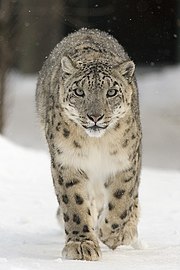
Three snow leopard cubs born at the Padmaja Naidu Himalayan Zoological Park in Darjeeling in West Bengal . The PNHZP is the only zoological park in the country that has successfully carried out the breeding programme of endangered snow leopards, in addition to red pandas and Tibetan wolves.
project snow leopard
snow leopard
RBI on Fiscal Consolidation
RBI spells that “Given the still soft economy, the pressure to provide more stimulus will persist. While this may help in the near term, the sustainability of recovery requires returning to responsible fiscal consolidation,”
Challenge for RBI would be “The challenge for fiscal policy is to balance immediate support for the economy with a need to get back on track on the medium-term fiscal consolidation process,”
how will be 2009-10 ?
There is guarded optimism about the coming year in some quarters. The industrial and financial climate is expected to benefit from the huge tax concessions and high government spending. Reports indicate that the tax concessions for Rs. 60,000 crore in a full year and those announced after the interim budget have had a stimulating impact. The latest concessions will cost the Exchequer Rs. 23,000 crore in a full year and Rs. 3,000 crore in 2008-09.
The RBI believes that it has to “take calibrated monetary policy actions as necessary and at the appropriate time” to maintain the flow of credit to productive sectors.
RBI & Fiscal consolidation
What caused the global economic crisis?
Challenge for RBI would be “The challenge for fiscal policy is to balance immediate support for the economy with a need to get back on track on the medium-term fiscal consolidation process,”
how will be 2009-10 ?
There is guarded optimism about the coming year in some quarters. The industrial and financial climate is expected to benefit from the huge tax concessions and high government spending. Reports indicate that the tax concessions for Rs. 60,000 crore in a full year and those announced after the interim budget have had a stimulating impact. The latest concessions will cost the Exchequer Rs. 23,000 crore in a full year and Rs. 3,000 crore in 2008-09.
The RBI believes that it has to “take calibrated monetary policy actions as necessary and at the appropriate time” to maintain the flow of credit to productive sectors.
RBI & Fiscal consolidation
What caused the global economic crisis?
Subscribe to:
Posts (Atom)